Free demo class

GCSE Chemistry Tutor | 1-to-1 Online Chemistry Tuition for Years 10–11

Richmond Tutoring provides 1-to-1 online GCSE Chemistry tutoring for students in Years 10 and 11 across the UK. Lessons follow your child’s exam board, including Pearson Edexcel, AQA and OCR, at Foundation and Higher tier, and focus on quantitative chemistry, the required practicals and exam technique. Every lesson is taught by a specialist chemistry teacher and worked from real past papers. Tell us which topic your child is stuck on and the first 45-minute GCSE Chemistry lesson is free.

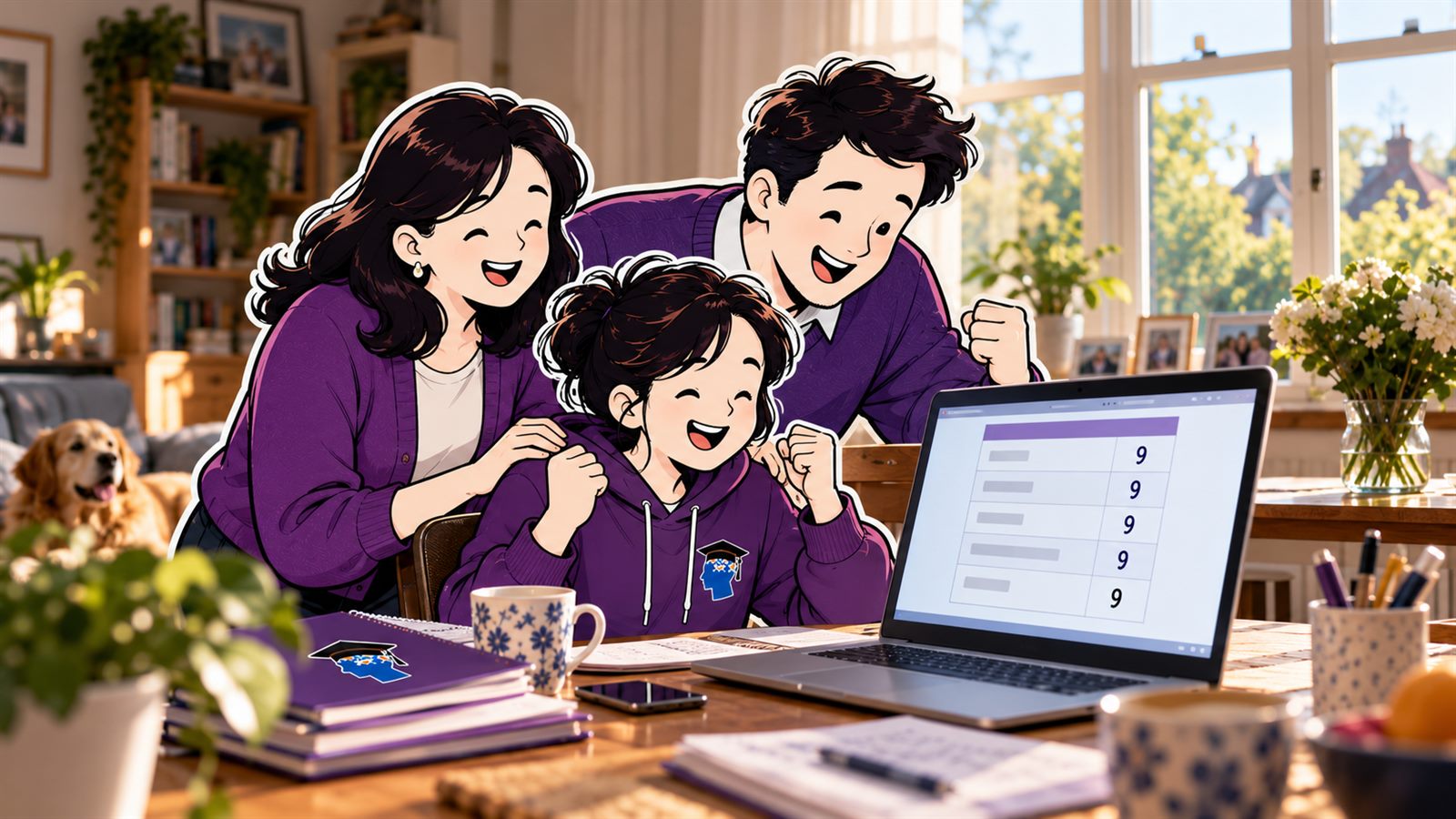
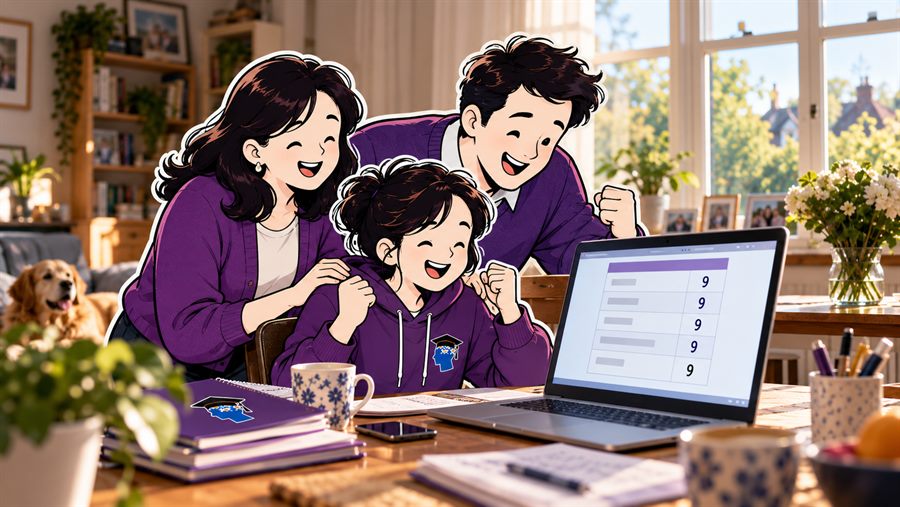
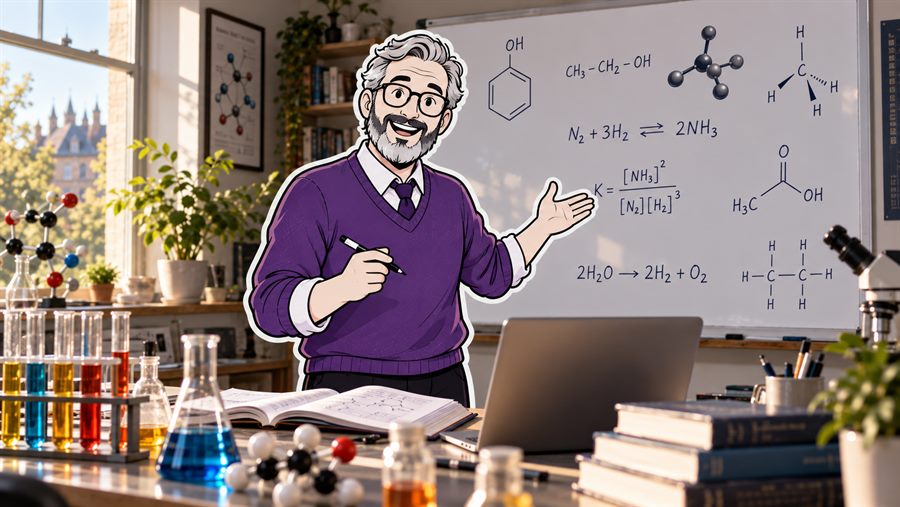
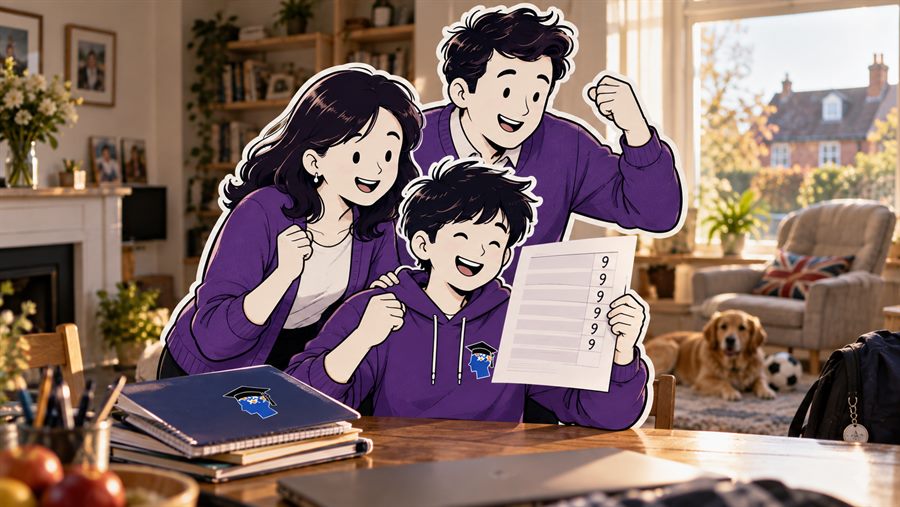
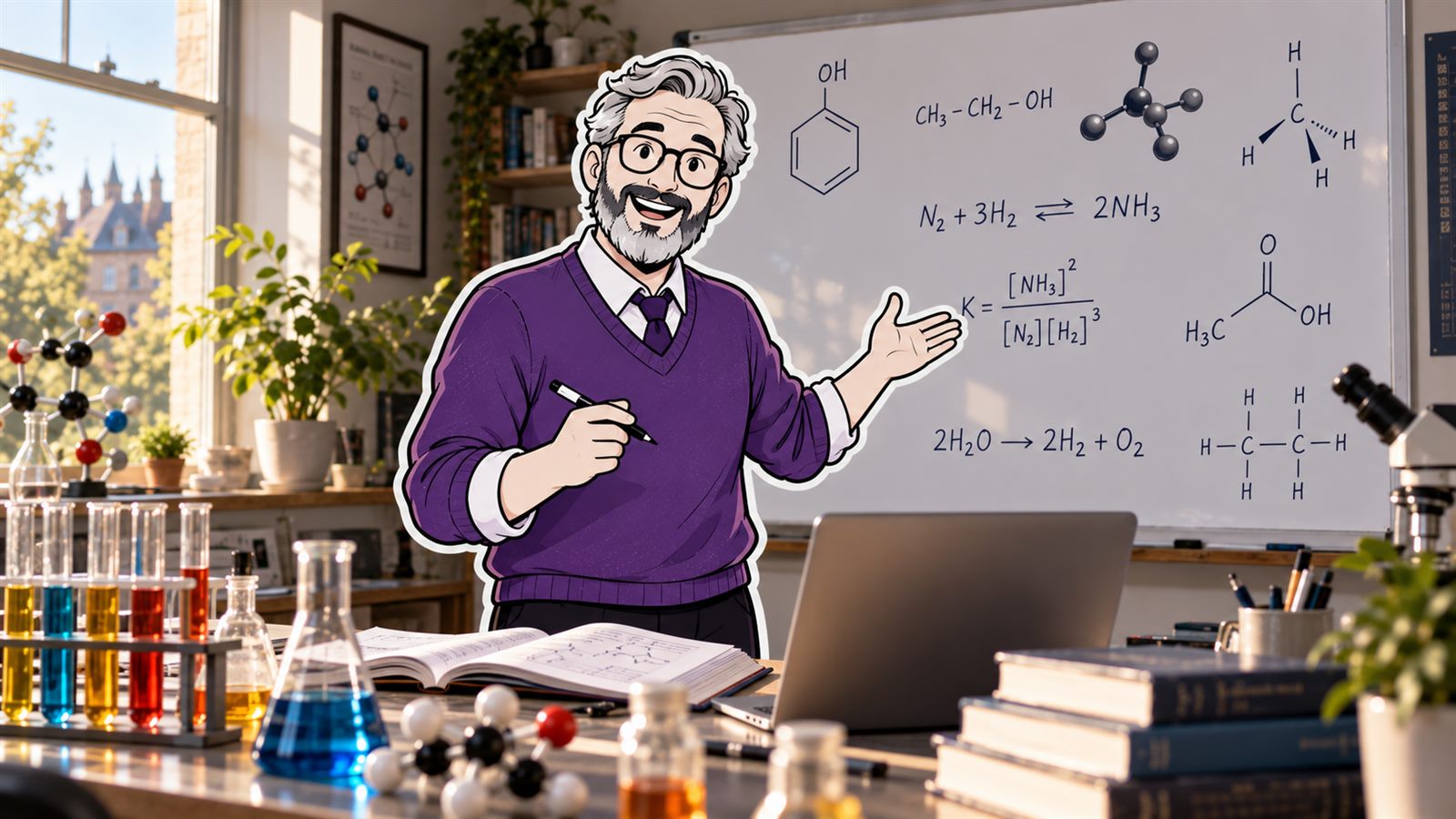
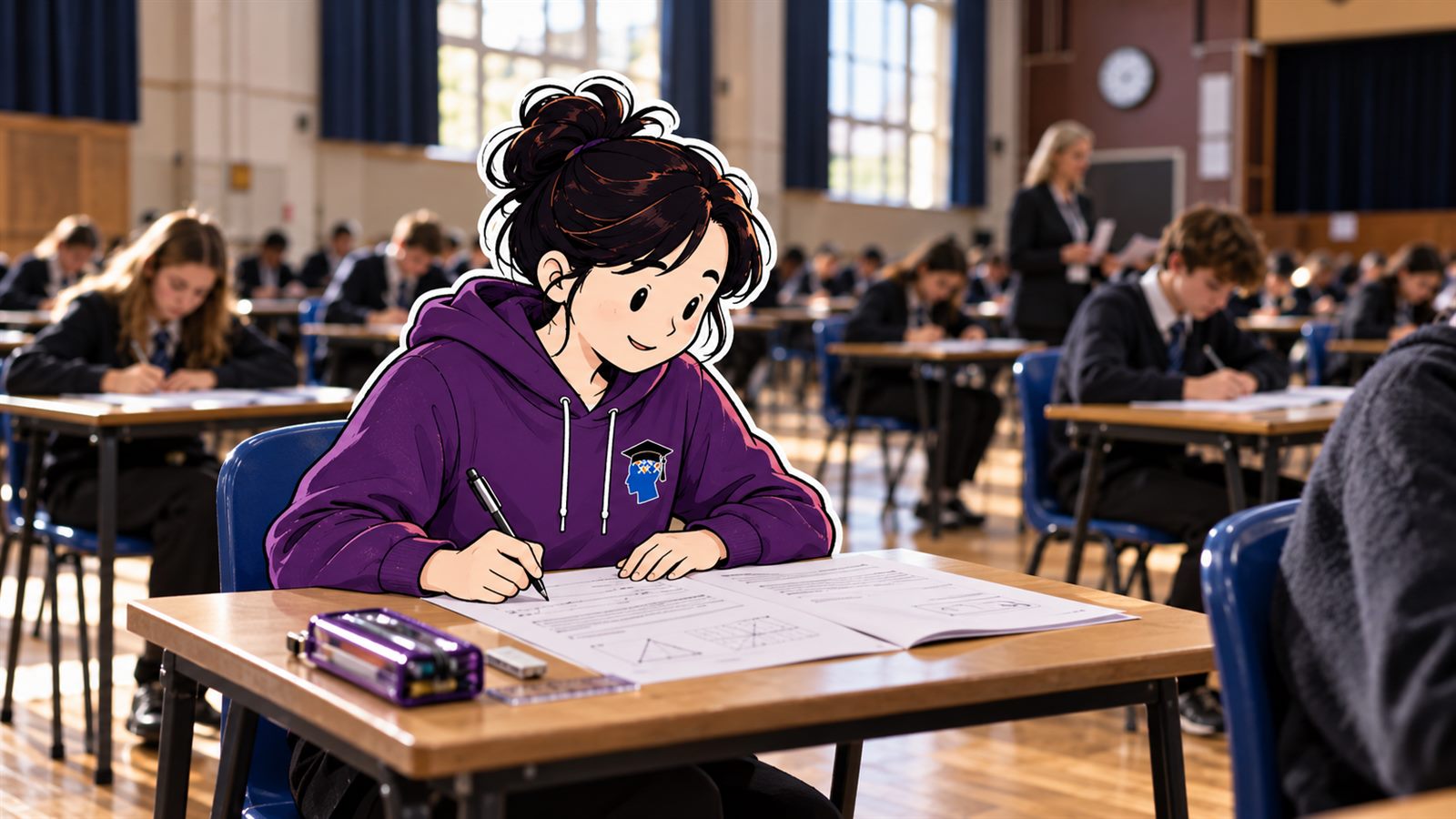
A chemistry tutor at a whiteboard of organic structures and equilibrium equations, with conical flasks and a molecular model on the bench alongside. A Year 11 student sitting a chemistry paper in a school hall. A family at the kitchen table celebrating a results page showing a column of top grades.
The short answer

GCSE Chemistry Tutoring at a Glance

Richmond Tutoring offers 1-to-1 online GCSE chemistry tutoring for Years 10–11 across the UK, covering Pearson Edexcel 1CH0, AQA 8462 and OCR Gateway J248 at Foundation and Higher tier.

Subject
GCSE Chemistry
Years
Years 10–11
Tuition
1-to-1 online
Students
UK students
Exam boards
Pearson Edexcel 1CH0, AQA 8462, OCR Gateway J248
Tiers
Foundation & Higher
Lesson length
60 minutes
Price
£36 per lesson
First lesson
Free 45-minute demo
Why us

Why Parents Choose Richmond for GCSE Chemistry Tutoring

What we do differently in chemistry, whether your child takes it separately or inside Combined Science.

Chemistry tutoring built around your child

Every student has a different sticking point. It might be balancing equations, understanding bonding, or getting lost in mole calculations. We start with your child’s exam board, Foundation or Higher tier and current gaps, then build lessons around what they actually need to improve.

We make the chemistry click

There is a lot to remember in GCSE Chemistry, but your child should not have to learn everything by heart. We help them see what is happening in a reaction, why atoms bond and how ideas such as concentration, reactivity and the periodic table fit together. Once the chemistry makes sense, remembering it gets much easier.

Understanding that turns into marks

Knowing the chemistry is only part of a GCSE question. Your child also needs to balance equations, calculate moles and concentrations, explain reactions, handle required practicals and write answers that contain the points the mark scheme rewards. We practise these skills using real exam questions, so their knowledge starts showing up in their marks.

Where we come in

What Does a GCSE Chemistry Tutor Help With?

Most parents do not arrive looking for a GCSE chemistry tutor. They arrive with a sentence about their child. These are the ones we hear most.

He cannot get moles to stick.

Moles and calculations

The most common sentence we hear about chemistry. Moles taught as a formula triangle collapse the moment a question is worded differently or asks for two steps. We teach what a mole is counting, then build concentration, yield and titration on top of it.

She cannot balance equations reliably.

Equations and formulae

Balancing sits underneath most of the quantitative work, so an unreliable method costs marks far beyond the question asking for it. We work on writing formulae correctly first, because most balancing errors start there.

His six-mark answers get two or three marks.

Longer written answers

Six-mark chemistry questions are marked on whether the explanation is linked and complete. We work on structure: what the command word is asking, which points earn marks, and saying them in the order the scheme expects.

She is stuck around a grade 5 and wants a 7.

Moving up a grade band

At grades 4 to 6 the understanding is usually there and the marks are going on technique and application. We work from a marked paper: which question types cost marks, and what a full-mark answer looks like. For grades 7 to 9 the work moves to precision, multi-step reasoning and the harder quantitative questions.

Who we teach

GCSE Chemistry Tutoring by Exam Board

We teach the three chemistry specifications used in most UK schools. Lessons work from your child’s own board’s past papers and mark schemes.

Edexcel GCSE Chemistry Tutor

Edexcel GCSE Chemistry tutoring for specification 1CH0

We provide Edexcel GCSE chemistry tutor online, 1:1, for Year 10 and Year 11 UK students.

What students face

  • Two papers of 1h 45m, 100 marks each
  • Core practicals, examined inside the written papers
  • Quantitative chemistry across both papers
  • Extended six-mark explanations
How we teach it
  • Whole papers rehearsed to the clock
  • Each core practical worked through as an exam question
  • Moles taught as counting, then the calculations built on it
  • Six-mark answers built against Edexcel mark schemes

AQA GCSE Chemistry Tutor

AQA GCSE Chemistry tutoring for specification 8462

We provide AQA GCSE chemistry tutor online, 1:1, for Year 10 and Year 11 UK students.

What students face

  • Two papers of 1h 45m, 100 marks each
  • 8 required practicals, examined in the papers
  • Paper 1 atoms, bonding, quantitative and chemical changes; Paper 2 rates, organic, analysis, atmosphere and resources
  • Practical knowledge worth at least 15% of the marks
How we teach it
  • Each required practical: method, variables, results, errors
  • Quantitative chemistry secured before Paper 2 builds on it
  • Balancing and formulae until they are reliable
  • Past AQA questions and mark-scheme wording

OCR GCSE Chemistry Tutor

OCR Gateway GCSE Chemistry tutoring for specification J248

We provide OCR Gateway GCSE chemistry tutor online, 1:1, for Year 10 and Year 11 UK students.

What students face

  • Two papers of 1h 45m, 90 marks each
  • Practical Activity Groups rather than a numbered list
  • Fewer marks on the paper, so each one counts for more
  • Foundation and Higher sat as separate papers
How we teach it
  • Method marks: the moles line, the units, the significant figures
  • The practical activities worked through as exam questions
  • Timed practice on OCR’s own papers
  • Tier-appropriate content, once the school has decided
The subject

What Does GCSE Chemistry Cover?

Two written papers, and no coursework. The topic split below is AQA’s; Edexcel and OCR divide the same content differently, which is why lessons follow your child’s own specification.

Paper 1

  • Atomic structure and the periodic table: atoms, elements and compounds, mixtures and separation, the development of the model of the atom, electronic structure, and groups 1, 7 and 0
  • Bonding, structure and properties: ionic, covalent and metallic bonding, states of matter, giant structures, polymers, allotropes of carbon and nanoparticles
  • Quantitative chemistry: relative formula mass, the mole, reacting masses, limiting reactants, concentration, percentage yield, atom economy and gas volumes
  • Chemical changes: the reactivity series, extraction and reduction, oxidation and reduction, reactions of acids, pH and neutralisation, titrations and electrolysis
  • Energy changes: exothermic and endothermic reactions, reaction profiles, bond energy calculations, and cells and fuel cells

Paper 2

  • Rate and extent of chemical change: measuring rates, collision theory, catalysts, reversible reactions, and equilibrium and Le Chatelier’s principle
  • Organic chemistry: crude oil and hydrocarbons, fractional distillation, cracking, alkenes, alcohols, carboxylic acids and polymers
  • Chemical analysis: pure substances and formulations, chromatography, tests for gases, flame tests, tests for ions and instrumental methods
  • Chemistry of the atmosphere: the evolution of the atmosphere, greenhouse gases and climate change, and atmospheric pollutants
  • Using resources: finite and renewable resources, potable water, life-cycle assessment, recycling, corrosion and alloys, the Haber process and NPK fertilisers
Results speak

Results That Speak for Themselves

11grade 9s earned by our GCSE students since 2024

2 in 2024, 6 in 2025 and 3 in 2026. Every grade we publish is checked against a results slip first, and we publish the method alongside the numbers rather than the numbers alone.

A family at the kitchen table celebrating a results page showing a column of top grades.
How it works

How Our GCSE Chemistry Tutoring Works

Three steps, and you meet the tutor in a real lesson before deciding anything.

  1. 1
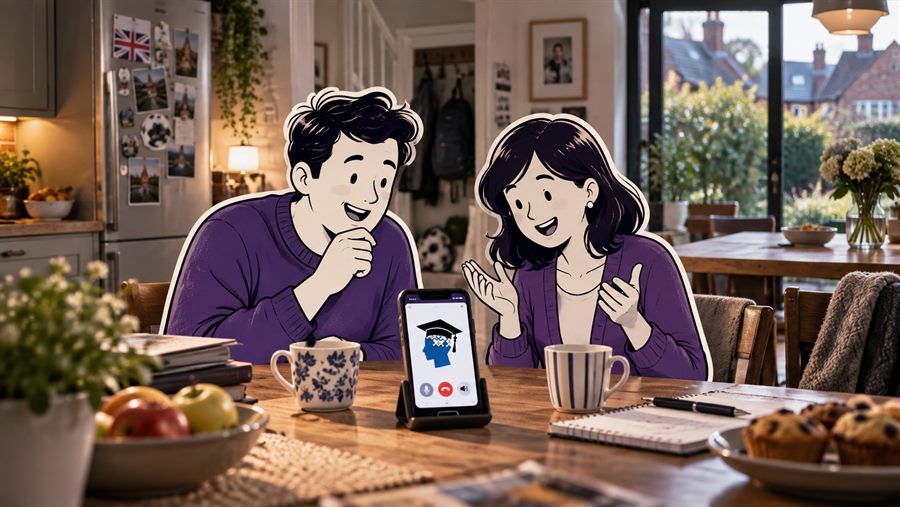
    Two parents at the kitchen table on a video call, a phone propped up in front of them.
    Step one

    Tell us about your child

    Fill in the form or send us a WhatsApp message. We arrange the free demo class and match your child with a specialist GCSE chemistry tutor.

  2. 2
    A chemistry tutor at a whiteboard of organic structures and equilibrium equations, with conical flasks and a molecular model on the bench alongside.
    Step two

    Take the demo class

    Take the free 45-minute lesson, and sit in if you want to. See how the lesson goes, ask us everything you want to ask, and only go ahead with GCSE chemistry lessons if you are convinced.

  3. 3
    A family at the dining table looking pleased with a school report.
    Step three

    Lessons begin

    Lessons begin, weekly. Your child starts learning the GCSE chemistry they were stuck on, and that is what turns into marks on both GCSE chemistry papers.

Cost

What Will GCSE Chemistry Tutoring Cost?

At Richmond Tutoring, the price for each 60-minute lesson of chemistry for GCSE is as follows:

£36per hour

  • No contract
  • No placement fee
  • First lesson free

Triple Science chemistry and the chemistry inside Combined Science cost the same. So does every other subject we teach.

Questions

FAQs

How much does a GCSE chemistry tutor cost?

Richmond Tutoring charges £36 for a 60-minute 1-to-1 GCSE Chemistry lesson. The first 45-minute demo lesson is free, with no placement fee and no contract. That is the same rate as every other subject and level we teach, and you pay lesson by lesson.

Why is my child struggling with moles?

Usually because moles were taught as a formula to memorise rather than as a way of counting particles. The method then collapses when a question is worded differently or needs two steps. We teach what a mole represents first, then build reacting masses, concentration, yield and titrations on top of it. For many students, quantitative chemistry is where GCSE Chemistry starts to become difficult.

How much maths is in GCSE Chemistry?

At least 20% of GCSE Chemistry assessment assesses mathematical skills, a floor set by Ofqual. That includes moles and reacting masses, percentages and yield, ratios, standard form and significant figures. If the maths underneath is the real problem, GCSE maths tutoring runs at the same rate.

How is GCSE Chemistry examined?

Two written papers and no coursework. On Pearson Edexcel (1CH0) and AQA (8462) each paper is 1 hour 45 minutes and worth 100 marks; on OCR Gateway (J248) each is 1 hour 45 minutes and worth 90 marks. Practical work is examined inside those papers and is worth at least 15% of the marks.

Can you help a child working at grade 4, 5 or 6?

Yes, and it is the most common place we start. The understanding is usually there and the marks are going on technique and application. We work from a marked paper to find which question types are costing marks, then practise those rather than revising everything again.

Can you help my child aim for a grade 9?

Yes. The top grades are won on precision and on the harder quantitative questions rather than on covering more content. Lessons move to multi-step problems, unfamiliar contexts and whole papers under time.

What is the difference between Triple Chemistry and the chemistry in Combined Science?

Triple Chemistry is a GCSE of its own, with more organic chemistry and chemical analysis than Combined Science covers, and more depth throughout. Combined Science covers the same core chemistry as part of a double award. We teach both, at the same rate.

Should my child sit Foundation or Higher tier chemistry?

It depends on the target grade. Foundation runs from grade 1 to grade 5; Higher runs from 4 to 9, with a narrow miss allowed at 3 and a U below that. The harder quantitative chemistry appears only on Higher papers. Schools make the entry decision, usually during Year 11.

Can a tutor help with required practicals online?

Yes. The practical work is carried out at school; the exam tests students’ understanding of the methods, observations, variables, data and conclusions. AQA sets 8 required practicals for GCSE Chemistry, Edexcel calls its equivalents core practicals and OCR organises them into Practical Activity Groups. We work through each one as the exam asks about it.

Is an online GCSE chemistry tutor available near me?

Yes. Every lesson is online and 1-to-1, so an online GCSE chemistry tutor is available wherever you are in the UK — there is no travel and nothing depends on how far you live from us.

Most of the families we teach are in and around south-west London, and we also teach students across the rest of the UK. Places our students come from include West Twickenham, Ealing Common, Hampton, Turnham Green, Wimbledon, Ashford, East Sheen, Osterley, Brook Green, North Twickenham, Hammersmith, Hampton Hill, Stamford Brook, Twickenham, Chiswick, Barnes, Brentford, West Kensington, Fulwell, Ravenscourt Park, Hampton Wick, Bedford Park, St Margarets, Gunnersbury, Kingston upon Thames, Syon, Ham, Heathfield, Barons Court, Richmond, Acton, Strawberry Hill, Kew Bridge, Surbiton, Hanworth, Petersham, Isleworth, Fulham, Richmond Hill, South Acton, Whitton, Kew, Hampton Court, Feltham, Mortlake, Hounslow, Parsons Green, East Twickenham, Ealing, Teddington, Grove Park, Tolworth, Sunbury, North Sheen, Hounslow West, Shepherd’s Bush.
Book a free 45-minute GCSE chemistry demo class

A real lesson, one to one, with a specialist GCSE chemistry tutor — free, before you decide anything. Tell us the exam board and whether it is Triple or Combined Science, and bring a marked mock if you have one.

  • No placement fee, no contract, nothing to sign
  • We reply to every enquiry the same day

Ask for the demo class

Five boxes, and we have filled two of them in for you.

We only use your details to answer this enquiry. Privacy · Terms

Thank you — that’s with us.

We’ll be in touch to arrange the demo class, usually the same day. If it’s urgent, ring 07901 286606.

Free 45-minute demo class. Tell us the year group and the exam board.

07901 286606 Book a free demo class