Free demo class

GCSE Computer Science Tutor | 1-to-1 Online Computer Science Tuition for Years 10–11

Richmond Tutoring provides 1-to-1 online GCSE Computer Science tuition for students in Years 10 and 11 across the UK. We teach OCR J277, AQA 8525 and Pearson Edexcel 1CP2, covering programming, algorithms, computer systems, theory and exam preparation. Tell us the board and whether programming or theory is the problem, and the first 45-minute lesson is free.

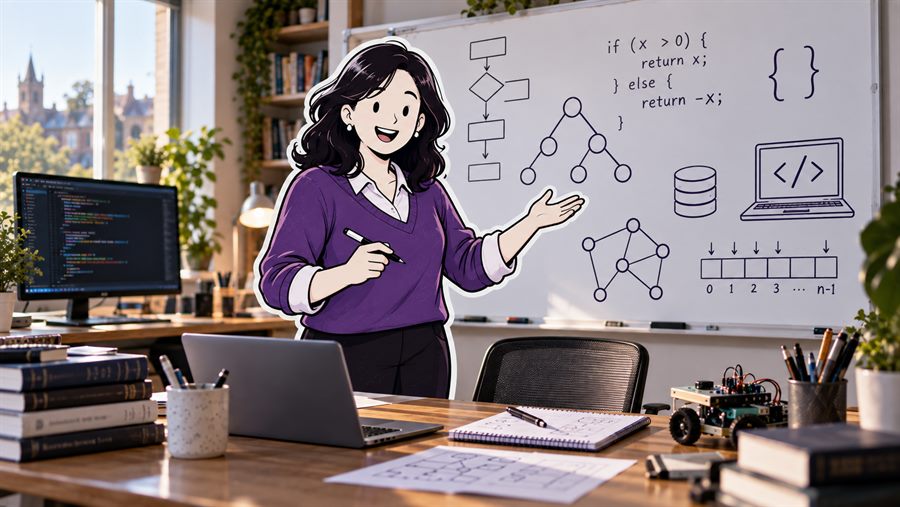
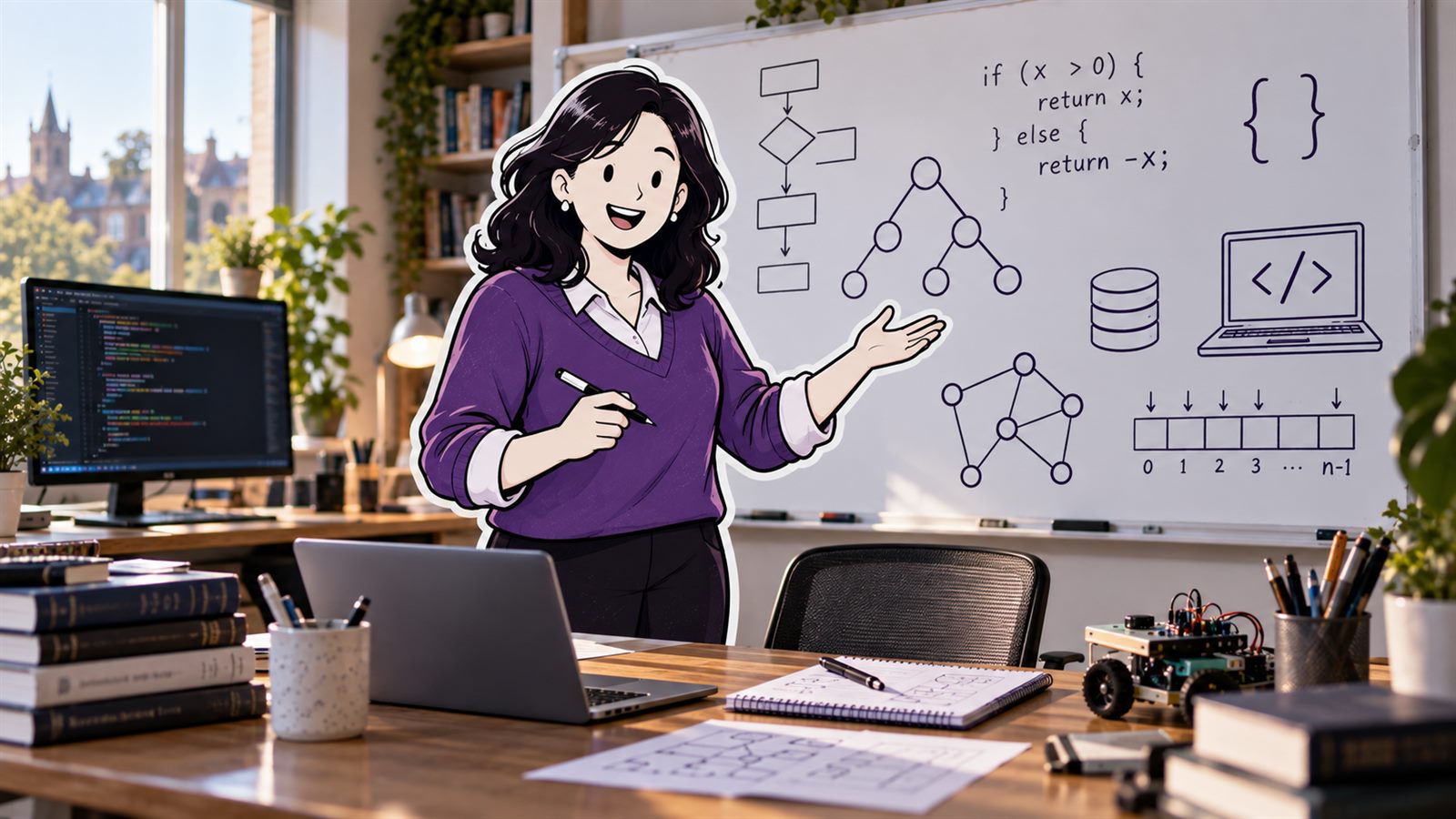
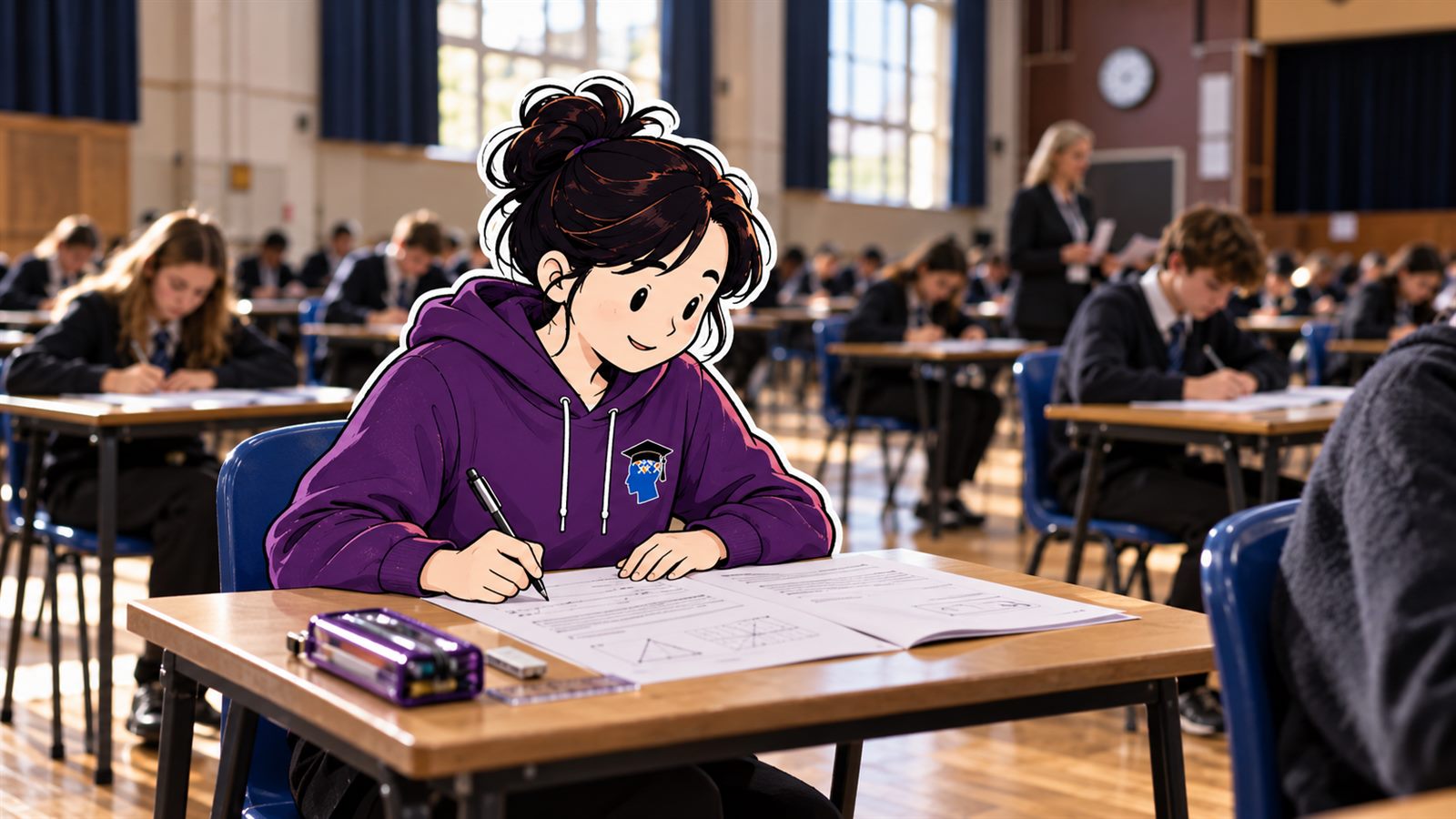
A computer science tutor at a whiteboard of flowcharts, a binary tree and code, with a monitor of code and a small robot kit on the desk. A Year 11 student sitting a paper in a school hall. A family at the kitchen table celebrating a results page showing a column of top grades.
The short answer

GCSE Computer Science Tutoring at a Glance

Richmond Tutoring offers 1-to-1 online GCSE Computer Science tutoring for Years 10–11 across the UK, covering Pearson Edexcel 1CP2, OCR J277 and AQA 8525.

Subject
GCSE Computer Science
Years
Years 10–11
Tuition
1-to-1 online
Students
UK students
Exam boards
Pearson Edexcel 1CP2, OCR J277, AQA 8525
Lesson length
60 minutes
Price
£36 per lesson
First lesson
Free 45-minute demo
Why us

Why Parents Choose Richmond for GCSE Computer Science Tutoring

Three things we do differently across Year 10 and Year 11.

A GCSE computer science plan built around your child, not a template

We begin with your child’s exam board and year group. Then we find where the marks are really going — writing code from a blank page, tracing an algorithm, or the exact wording the theory paper wants — and shape their GCSE computer science tuition around that. It is never a one-size-fits-all approach.

We Make GCSE Computer Science Click

From loops, lists and functions to binary, the fetch-execute cycle and network protocols, we make difficult GCSE computer science topics easier to understand and remember. Students learn why the code works, then practise it the way the exam tests it.

Understanding that shows up on results day

Once it makes sense, we take it into real questions from your child’s own board: algorithms written by hand, trace tables and longer written answers. That is where understanding turns into marks.

Where we come in

What Does a GCSE Computer Science Tutor Help With?

Most parents do not arrive looking for a GCSE computer science tutor. They arrive with a sentence about their child. These are the ones we hear most.

His code works at home, but he freezes in the exam.

Writing code without a computer

The papers test programming on paper, where nothing can be run to check it. Your child writes an algorithm by hand, traces it, and only then runs it — until the handwritten version is right first time.

She copies code from examples and cannot start from scratch.

Programming foundations

Sequence, selection, iteration, lists and functions, in short Python exercises that build up step by step. Once the basics are reliable, starting from a blank screen stops being frightening.

He can code, but loses marks on the theory paper.

Precise theory answers

The theory paper pays for exact technical wording. Saying RAM is where the computer keeps things scores little; calling it volatile main memory that holds the data and instructions in use scores the marks. We teach that precision topic by topic.

Trace tables and sorting algorithms confuse her.

Algorithms and trace tables

Bubble, merge and insertion sort, linear and binary search, and trace tables that update every variable on every line. We practise them on paper until each step is automatic.

The exam uses a pseudocode he has never seen.

Pseudocode and Exam Reference Language

Code in the questions is written in the board’s own style — OCR Exam Reference Language or AQA pseudo-code. It is close to Python but not the same, so we make reading it routine long before the exam.

The mocks were bad and we do not know where to start.

After the mocks

We go through the marked mock question by question, work out whether the marks went on programming, theory or timing, and plan from that rather than from the textbook.

Who we teach

GCSE Computer Science Tutoring by Exam Board

We teach the three GCSE Computer Science specifications used in most UK schools. Lessons work from your child’s own board’s past papers and mark schemes.

Edexcel GCSE Computer Science Tutor

Edexcel GCSE Computer Science tutoring for specification 1CP2

We provide Edexcel GCSE computer science tutor online, 1:1, for Year 10 and Year 11 UK students.

What students face

  • Principles of Computer Science, the written theory paper
  • Application of Computational Thinking, sat on screen
  • Writing and testing working Python under exam conditions
  • Reading a task and turning it into a program that runs
How we teach it
  • Python written and tested live in the lesson, to the clock
  • Breaking a task down before a line of code is written
  • Finding and fixing the errors that stop a program running
  • Past Paper 1 theory questions and mark-scheme wording

OCR GCSE Computer Science Tutor

OCR GCSE Computer Science tutoring for specification J277

We provide OCR GCSE computer science tutor online, 1:1, for Year 10 and Year 11 UK students.

What students face

  • Computer systems: architecture, memory, storage, networks, security
  • Algorithms and programming, including Section B written by hand
  • OCR Exam Reference Language, which the questions are written in
  • Producing robust programs, testing and defensive design
How we teach it
  • Python programming, then the same idea in Exam Reference Language
  • Handwritten code practice, with no computer to check the answer
  • Trace tables, step by step, until the method is automatic
  • Past-paper questions and mark-scheme technique

AQA GCSE Computer Science Tutor

AQA GCSE Computer Science tutoring for specification 8525

We provide AQA GCSE computer science tutor online, 1:1, for Year 10 and Year 11 UK students.

What students face

  • Two hours of tracing, writing and refining code on Paper 1
  • AQA’s own pseudo-code, which the algorithms are written in
  • Computing concepts: systems, networks, cyber security, ethics
  • Relational databases and SQL, examined on Paper 2
How we teach it
  • Python programming, then the same algorithm in AQA pseudo-code
  • Handwritten code and trace tables, the way Paper 1 tests them
  • SQL queries written out by hand, not just recognised
  • Past-paper questions and mark-scheme technique
Year by year

GCSE Computer Science Tutors for Year 10 and Year 11

Year 10 is about building programming habits. Year 11 is about turning the whole course into exam marks.

GCSE Computer Science Tutoring for Year 10

Year 10 is the best time to fix programming foundations. Many students arrive from block-based coding at KS3 and find text-based Python far less forgiving. If loops, lists and functions are secure by the summer, the Year 11 algorithm questions are within reach.

We focus on:

  • Writing short Python programs every week
  • Tracing code, rather than trial and error
  • Theory with exact exam vocabulary from the start

GCSE Computer Science Tutoring for Year 11

By Year 11 most of the course has been taught, and the gaps show up in the mocks. We use mock papers and topic tests to find which paper and which question types are costing marks, then target those rather than revising everything again.

We focus on:

  • Mock papers, gone through question by question
  • Longer algorithm questions, written by hand under time
  • Command words and precise theory answers
Two papers

GCSE Python Tutoring and Computer Science Theory

A student who is confident with one can still lose marks on the other.

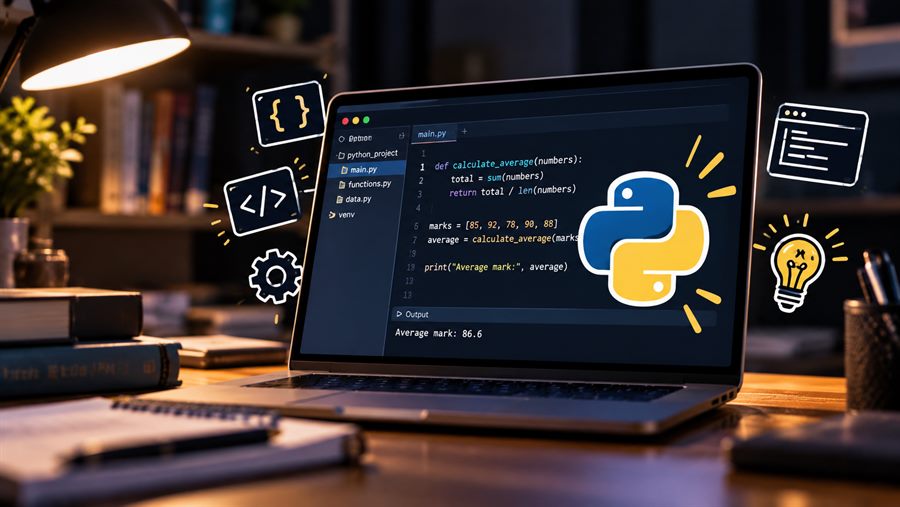
A laptop showing a Python program that works out an average mark, with its output below the code.

GCSE Python Tutor

Writing code is one thing. Knowing why it works is another.

GCSE Python tutoring covers the programming skills students need for the exam, from variables, selection and iteration to lists, functions, file handling, validation and testing. Students write code, trace it, find mistakes and learn to explain their thinking.

The aim: write, trace and fix code confidently, even when there is no computer to run it.

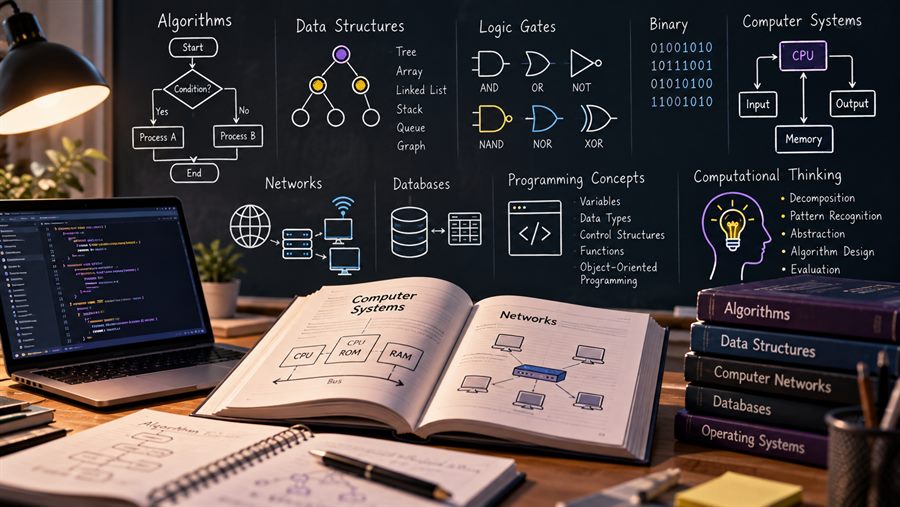
A whiteboard of computer science theory: algorithms, data structures, logic gates, binary, networks and databases.

GCSE Computer Science Theory Tutor

The theory paper rewards students who know exactly what they mean.

Students work through systems architecture, memory and storage, data representation, networks, cybersecurity and the impact of technology. We focus on understanding the ideas first, then practising the precise explanations that exam questions demand.

The aim: turn a solid understanding of Computer Science into marks on the page.

The curriculum

What Does GCSE Computer Science Cover?

OCR, AQA and Pearson Edexcel cover similar content, organised into different papers and examined in different styles.

The GCSE computer science curriculum includes:

  • Computer Systems: the CPU and fetch-execute cycle, memory and storage, operating systems, utility software
  • Data Representation: binary and hexadecimal, binary addition and shifts, text, images and sound, compression, file sizes
  • Networks & Security: network types and topologies, protocols and layers, cyber security threats, preventing attacks
  • Algorithms: abstraction and decomposition, searching, sorting, flowcharts and pseudocode, trace tables
  • Programming: variables and data types, selection and iteration, lists and arrays, functions and procedures, file handling, robust programs and testing
  • Logic & Databases: Boolean logic, truth tables, SQL
  • Impacts of Technology: ethical issues, legal issues, environmental issues, extended written answers
Getting started

How to start?

We have kept this deliberately simple: you get to test your GCSE computer science tutor on a real lesson before you decide anything.

  1. 1
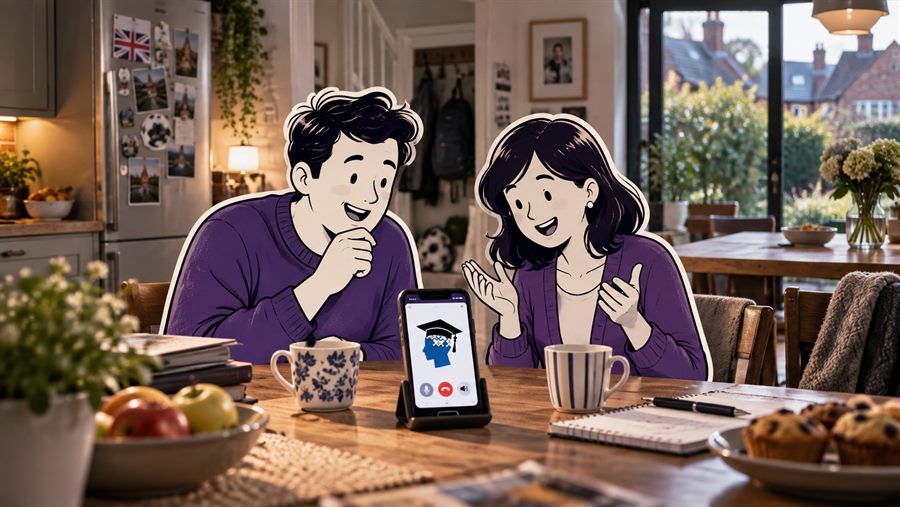
    Two parents at the kitchen table on a video call, a phone propped up in front of them.
    Step one

    Tell us about your child

    Fill in the form or send us a WhatsApp message. We arrange the free demo class and match your child with a specialist GCSE computer science tutor.

  2. 2
    A computer science tutor at a whiteboard of flowcharts and code.
    Step two

    Take the demo class

    Take the free 45-minute lesson, and sit in if you want to. See how the lesson goes, ask us everything you want to ask, and only go ahead with GCSE computer science lessons if you are convinced.

  3. 3
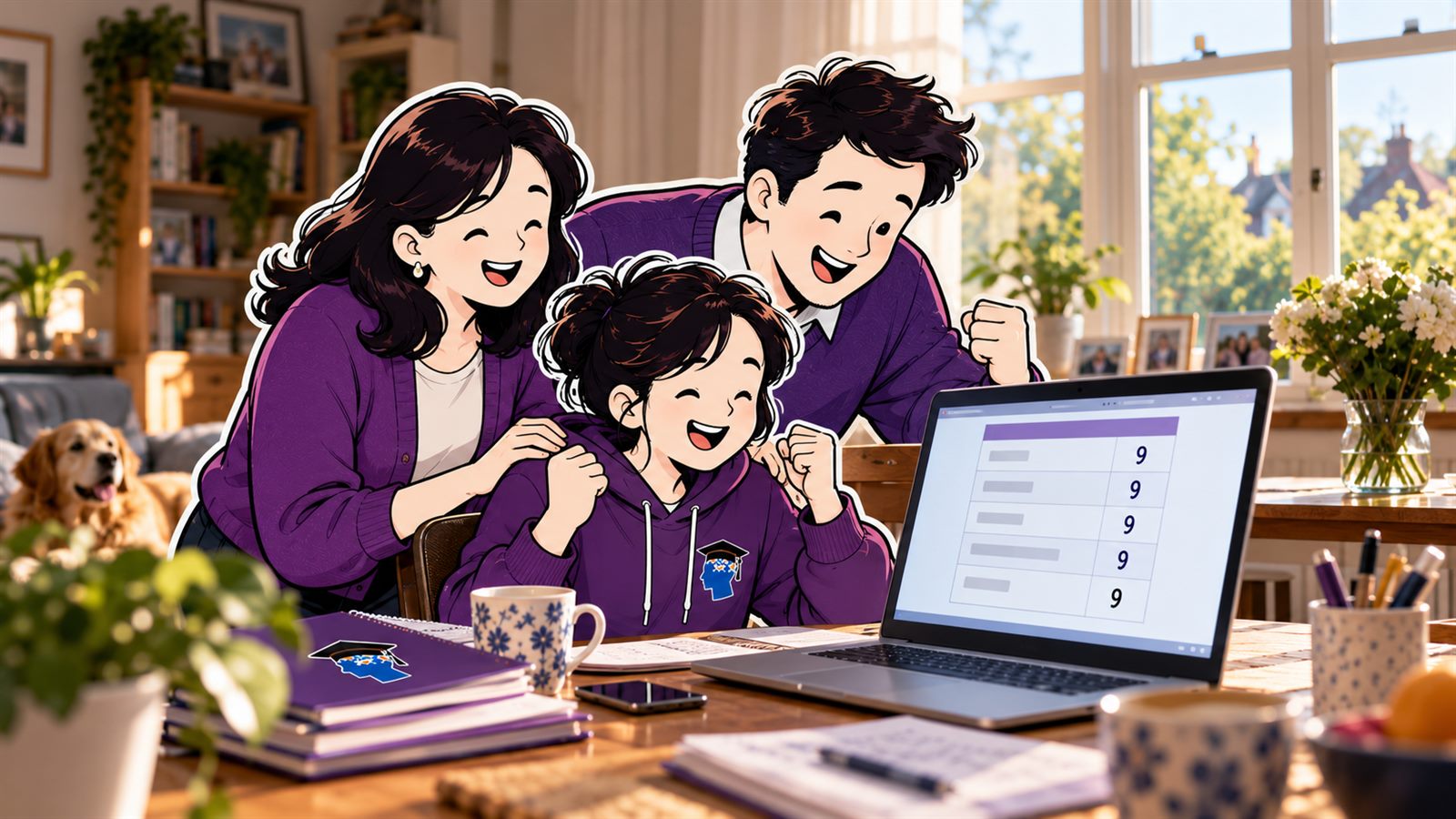
    A family at the dining table looking pleased with a school report.
    Step three

    Lessons begin

    Lessons begin, weekly. Your child starts learning the GCSE computer science they were stuck on, and that is what turns into marks on both GCSE computer science papers.

Reviews and results

See What Families Say, and What Our Students Get

Every review is a Google review, quoted as written. Every grade we publish was checked against a results slip — and we publish the method behind the number, not just the number.

Cost

What Will GCSE Computer Science Tuition Cost?

At Richmond Tutoring, the price for each 60-minute lesson of computer science for GCSE is as follows:

£36per hour

  • No contract
  • No placement fee
  • First lesson free
Questions

FAQs

What should parents look for in a GCSE computer science tutor?

Five things worth checking, whoever you choose:

  • GCSE computer science teaching experience, not just a coding background
  • Confidence with both halves of the course: programming and theory
  • Experience of your child’s exam board and its pseudocode
  • Lessons that practise writing code by hand, the way the exam tests it
  • A way of tracking progress you can see between school assessments

Then ask for a trial lesson before you pay for anything.

How much does a GCSE computer science tutor cost?

£36 for a 60-minute 1-to-1 lesson, the same as every other subject and level we teach. There is no placement fee and no contract — you pay per lesson. The first 45-minute lesson is free.

Is there coursework in GCSE Computer Science?

No. The current OCR, AQA and Pearson Edexcel specifications are assessed entirely by two exams, each worth half the grade. Students are still expected to program during the course, and that skill is tested inside the papers.

Can you help my child with Python for GCSE?

Yes, from the first ideas — sequence, selection and iteration — through to lists, functions, file handling and validation. Every Python lesson links back to how the exam tests programming, including writing and tracing code by hand.

My child’s school uses a language other than Python. Does that matter?

Tell us which one at the demo class so we can confirm we are the right fit. The concepts are the same in every language, and the exam papers use pseudocode or OCR Exam Reference Language, which every student has to read whatever they code in at school.

Is Year 10 too early for a GCSE computer science tutor?

No. Programming skills build slowly and are hard to rush, so Year 10 is often the most useful time to start. It leaves time to fix the foundations before the course speeds up and the mocks arrive.

Can my child answer OCR GCSE Computer Science Paper 2 in Python?

For questions that allow it, yes. Some Section B questions say students may answer in OCR Exam Reference Language or a high-level language they have studied, such as Python. Students still need to read Exam Reference Language fluently, because the code in the questions is written in it.

Is SQL on the AQA GCSE Computer Science exam?

Yes. SQL is assessed in Paper 2, Computing concepts, as part of relational databases. Students should be able to write queries by hand to retrieve, insert, update and delete data, not just recognise them.

Do you teach International GCSE Computer Science?

Yes. Most of our students take the UK GCSE Computer Science specifications from OCR, AQA and Pearson Edexcel, and that is our focus, but we teach International GCSE Computer Science too. It has different content and papers, so tell us which one your child is taking.

Is GCSE computer science tutoring available near me?

Yes. Every lesson is online and 1-to-1, so GCSE computer science tutoring is available wherever you are in the UK — there is no travel and nothing depends on how far you live from us.

Most of the families we teach are in and around south-west London, and we also teach students across the rest of the UK. Places our students come from include Stamford Brook, Petersham, Hampton, Syon, Ealing, Barnes, Richmond Hill, Ashford, Barons Court, Tolworth, Fulwell, Kew, Brook Green, Strawberry Hill, Hounslow West, Bedford Park, Mortlake, Hampton Hill, Hanworth, Ealing Common, Kingston upon Thames, East Twickenham, Chiswick, Fulham, Wimbledon, Heathfield, Grove Park, West Kensington, Whitton, Osterley, Acton, North Sheen, Hampton Wick, Feltham, Hammersmith, Surbiton, West Twickenham, Gunnersbury, Parsons Green, Twickenham, Isleworth, Turnham Green, Ham, Teddington, Brentford, South Acton, East Sheen, Richmond, Sunbury, Ravenscourt Park, Hampton Court, North Twickenham, Kew Bridge, Shepherd’s Bush, St Margarets, Hounslow.
Book a free 45-minute GCSE computer science demo class

A real lesson, one to one, with a specialist GCSE computer science tutor — free, before you decide anything. Tell us the exam board and whether programming or theory is the problem, and bring a marked mock if you have one.

  • No placement fee, no contract, nothing to sign
  • We reply to every enquiry the same day

Ask for the demo class

Five boxes, and we have filled two of them in for you.

We only use your details to answer this enquiry. Privacy · Terms

Thank you — that’s with us.

We’ll be in touch to arrange the demo class, usually the same day. If it’s urgent, ring 07901 286606.

Free 45-minute demo class. Tell us the year group and the exam board.

07901 286606 Book a free demo class